

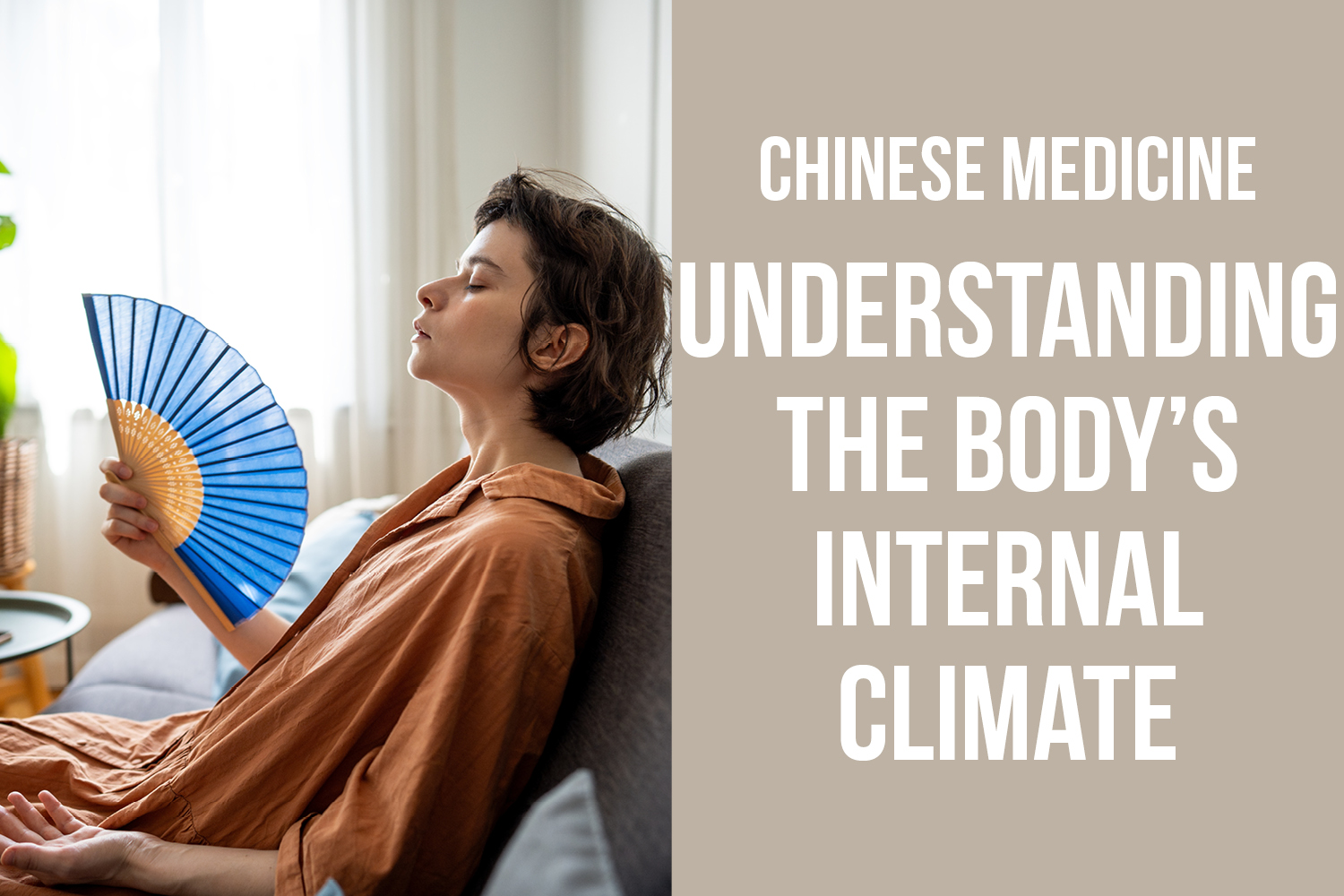
The body is an integral part of the natural world.
It’s always responding to shifts in temperature, humidity, and movement in the air. In other words, weather isn’t just background noise but something your body interacts with every day.
Most of the time, this interaction happens smoothly. You warm up when it’s cold and cool down when it’s hot.
But when your internal systems are stretched, these external influences have a stronger effect. They can start placing pressure on your internal balance.
We have a protective external layer that includes the skin, superficial muscles, and pores. This layer acts as a buffer between us and the outside world.
When it’s working well, it adjusts quickly. It manages our temperature and shifts blood flow to keep us comfortable. Most of this happens without us noticing.
However, this defence can be breached in two ways. Sometimes the weather is simply too intense for the body to withstand. Other times, the environment is mild, but your surface layer is too slow or weak to respond.
When either happens, external influences slip past this first line of defence. This layer is the gatekeeper of your internal climate, and its strength determines how well you weather the storm.
Acupuncture can be particularly effective here. By stimulating specific points along the body’s surface, we can help bolster this defensive layer and improve its ability to respond to environmental shifts.
Each environmental factor has its own character. Your body responds to them in different ways.
Not everyone reacts to the weather in the same way because your internal terrain shapes how you respond.
Some people naturally run warm. They may enjoy a cool breeze but struggle on hot days. Others tend to feel cold easily and thrive in the sun. Your history and current level of rest influence how well you adapt.
When you’re tired, your surface layer may not respond quickly. The cold might sink in more deeply. When you’re well rested, you may move through the same conditions with ease.
Similarly, two people can walk through the same rainstorm and have different experiences. One feels invigorated while the other feels chilled. Their internal terrains are simply responding in different ways.
These patterns are ways of understanding the story your body is telling. When you notice joints feel heavier on a damp day or a sudden chill after a draft, you’re seeing your internal climate in action.
In clinical practice, we use acupuncture to help clear these environmental influences if they become trapped in the body. This process helps to resolve lingering patterns like dampness or cold, restoring a more balanced internal environment.
Identifying these shifts allows you to respond to your body’s needs with more precision. A cold pattern that improves with warmth or a lingering damp pattern provides a map for your path back to balance.
By paying attention to these daily cues, you move from simply experiencing symptoms to understanding your system’s unique language. This awareness is the first step in supporting your body’s natural ability to adapt to the world around it.

contact@wealdchiropractic.co.uk
Unit 29 Graylands Estate, Langhurst Wood Road, Horsham, West Sussex RH12 4QD
Website design by theshapingbay.com